Your parents’ home should keep them safe – but it shouldn’t have to look like it’s trying to. Here’s how to make smart, design-conscious upgrades that work for the whole family.
Top image: Project by MET Interior
You probably won’t notice it all at once. It’s the way your mum grips the wall a little harder on the way to the bathroom at night. The slight hesitation your dad has at the step between the living room and the balcony — one he has taken countless times. Nothing dramatic. Just enough to make you look at your home differently.
Many homeowners tend to focus the renovation on how life looks right now. But homes age alongside the people in them, and the choices you made for aesthetics or resale may quietly become risks as your parents get older. With Singapore’s ageing population growing fast, more families are having this conversation — often later than they should.
Addressing it doesn’t mean gutting what you’ve done or compromising on style. It means paying closer attention to details — many of which you’d appreciate at any age.
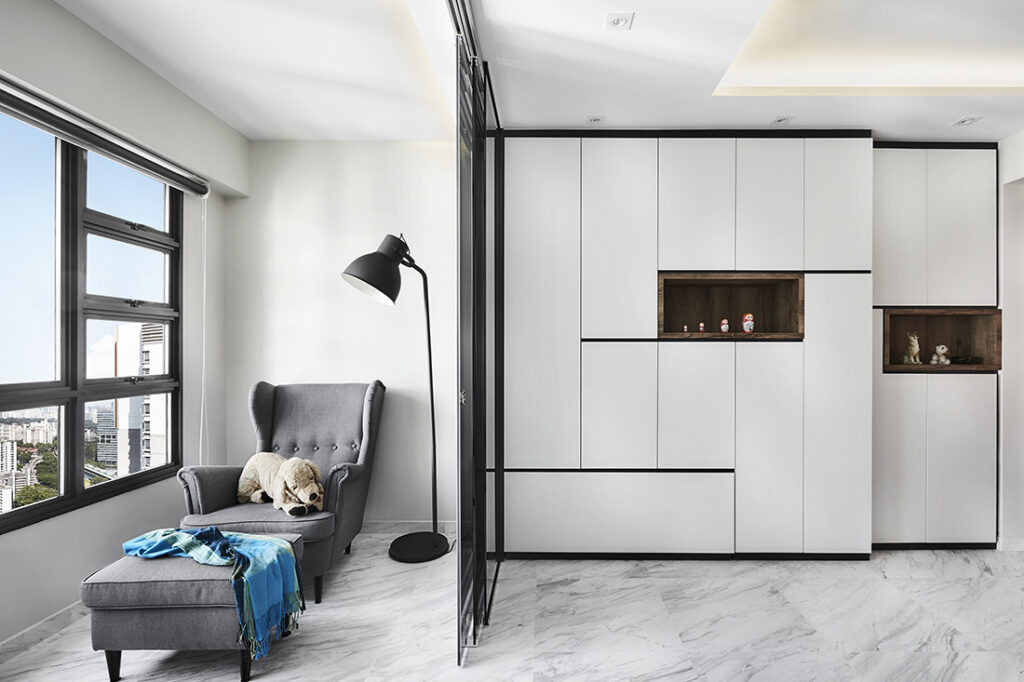
Start with a family conversation, not an ID meeting
Before you change a single thing, someone has to raise the topic with mum and dad. And most of the time, they’ll insist they are perfectly fine.
The families who navigate this well tend to reframe it. “We’re refreshing the bathroom” goes down very differently from “we’re worried you’ll slip.” And if you’re already working with an interior designer, ask them to factor these considerations into the brief from the start — it’s far easier and cheaper to build them in than to retrofit later.
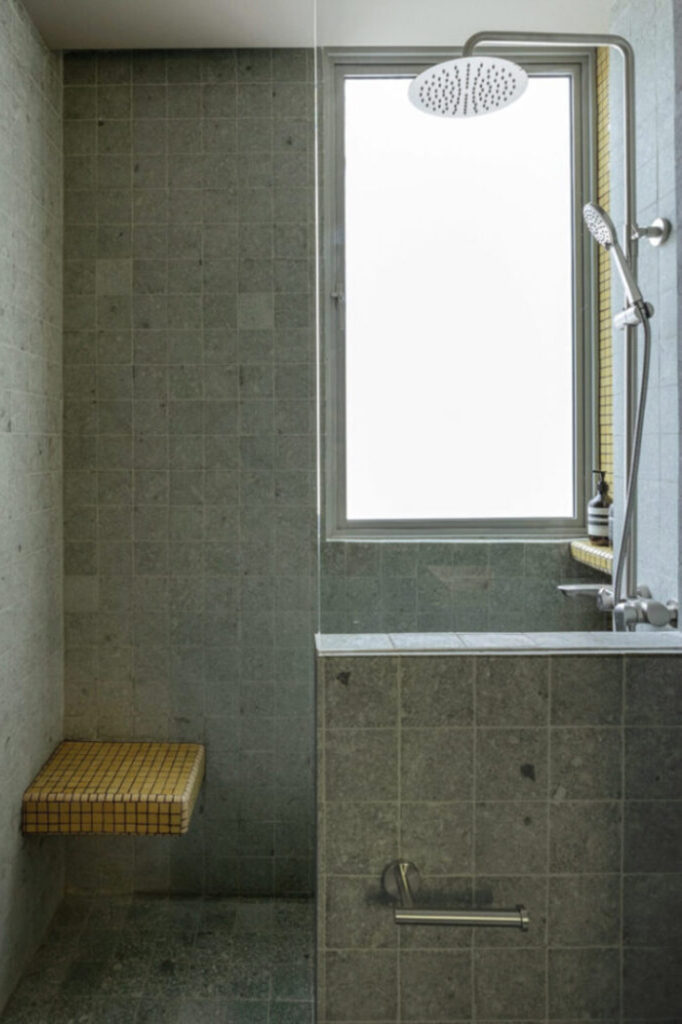
The risks hiding in “good” design
That large-format polished porcelain tile you love? Potentially treacherous when wet. The frameless glass shower screen? No visual cue for someone with declining eyesight. Statement pendant lights that leave the corridor dim, open layouts with subtle level changes, deep bathtubs with high ledges — these are common, design-forward choices that quietly become hazards.
This isn’t about second-guessing your renovation. It’s about looking at it through a different lens. A good interior designer will already be thinking this way — if yours isn’t raising these questions, it’s worth bringing them up.
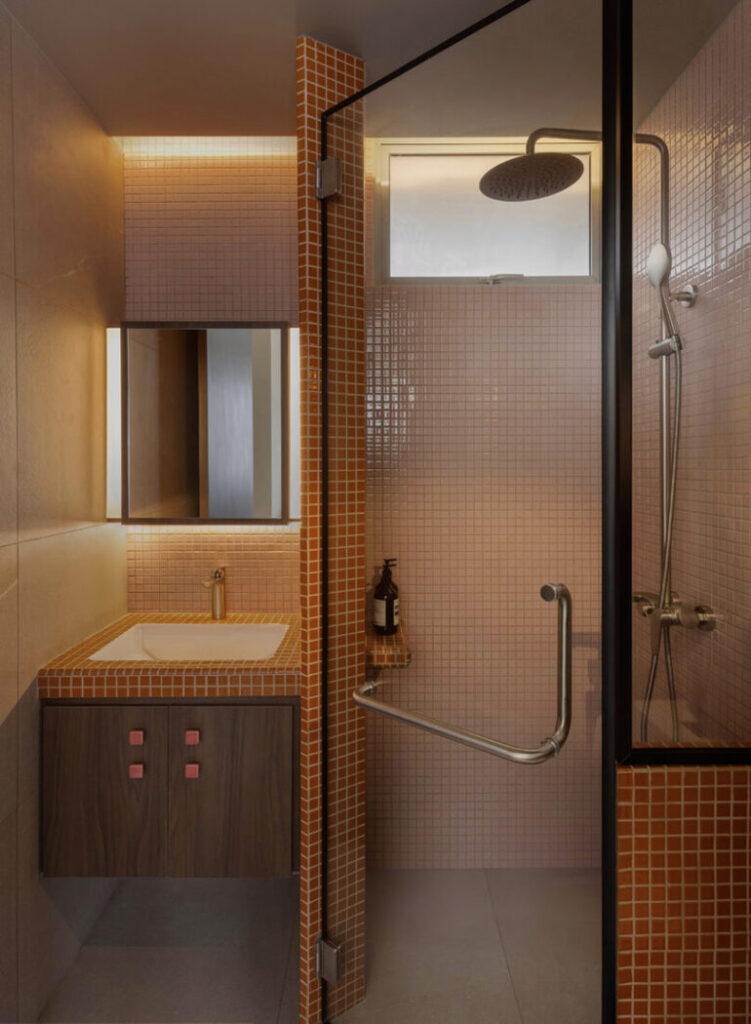
Bathrooms and wet areas: where it matters most
Falls in the home happen most often in the bathroom, and it’s where safety and aesthetics tend to clash hardest. But they don’t have to.
Curbless showers aren’t just accessible — they’re a contemporary design choice that makes any bathroom feel more spacious. Grab bars have evolved well beyond the institutional stainless steel rail; look for designs that double as towel holders or integrate into shelf systems. Lever taps are easier to operate than twist fittings and they look sleeker, too.
Flooring is the big one. Singapore’s climate means condensation, wet feet from rain, and splash zones that extend further than you’d think. When specifying tiles for wet areas, check the R-rating — R10 or R11 offers meaningful grip without the industrial look. For existing floors, anti-slip coatings can be applied without replacing a single tile.
And don’t stop at the bathroom door. Kitchen thresholds, service yards, and balconies are all wet-area risks worth thinking about.
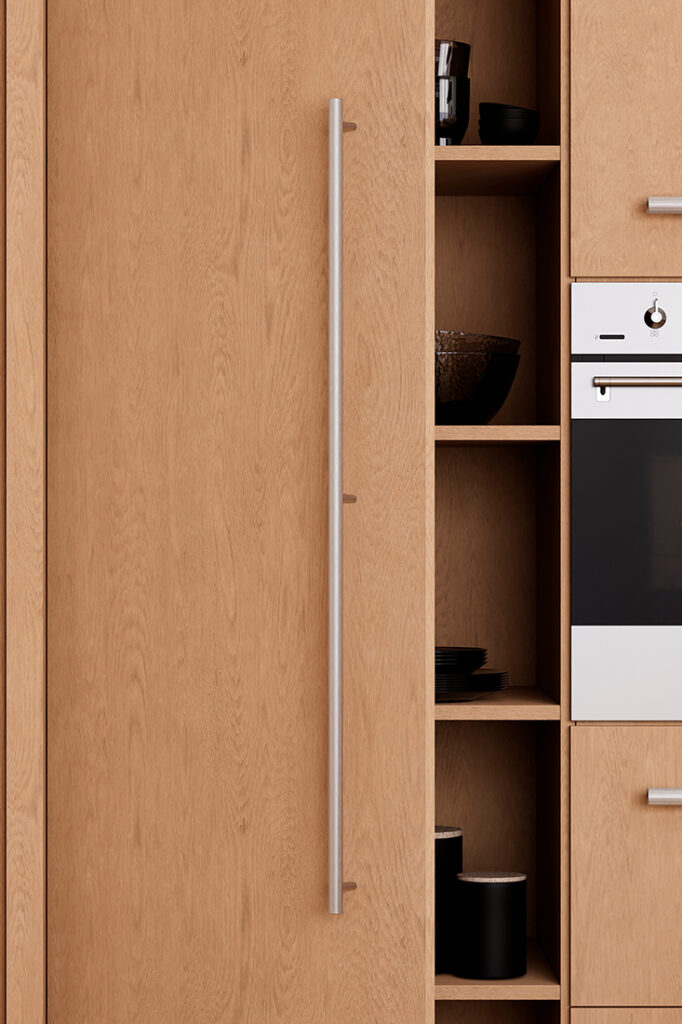
The kitchen nobody redesigns for ageing
Bathrooms get all the attention, but kitchens are where daily strain quietly builds — reaching overhead cabinets, bending into deep lower shelves, standing at counters at the wrong height.
The fixes are things any good interior designer would recommend regardless: pull-out drawer systems instead of swing-door cabinets, everyday items stored between hip and shoulder height, and easy-grip handles throughout. Even without a full kitchen redo, swapping hardware and adding pull-out organisers to existing units makes a real difference.
Walk your home at 2am
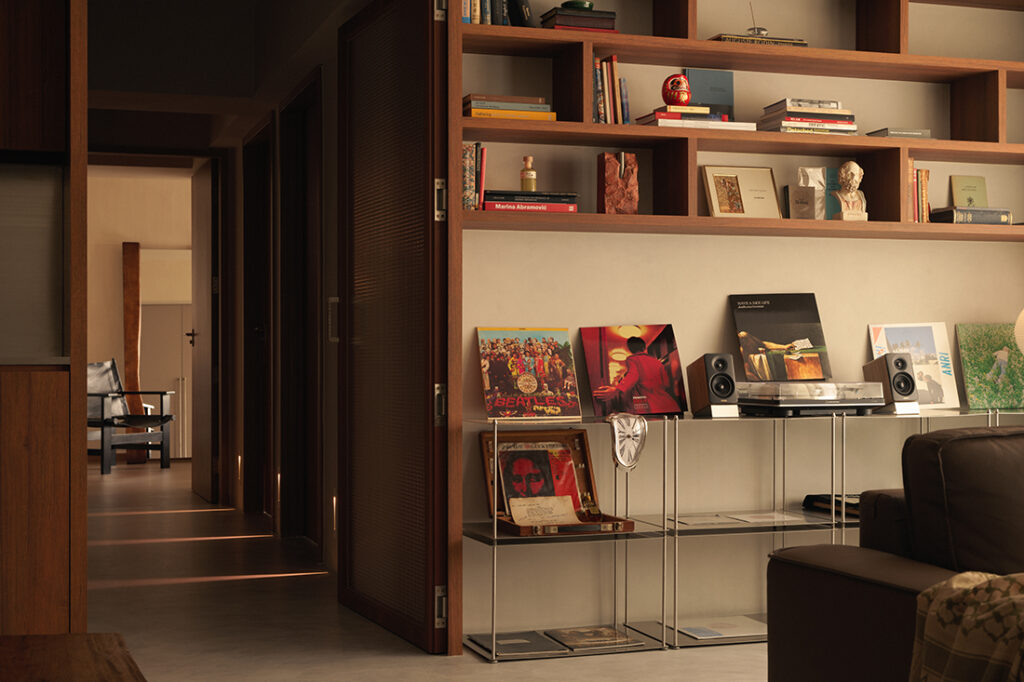
The simplest test: walk the route from your parents’ bedroom to the bathroom in the dark. That’s the path most falls happen on, and it’ll show you everything — the corridor narrowed by a console table, the light switch you can’t find by feel, the threshold strip that catches a shuffling foot.
Motion-sensor lights along baseboards solve the lighting without turning the hallway into a runway. Lever door handles replace round knobs that are hard to grip. Rocker light switches work better than standard toggles. None of these require hacking, none cost much, and none look like compromises — they just look like a home that’s been thought through.
It’s all just good design
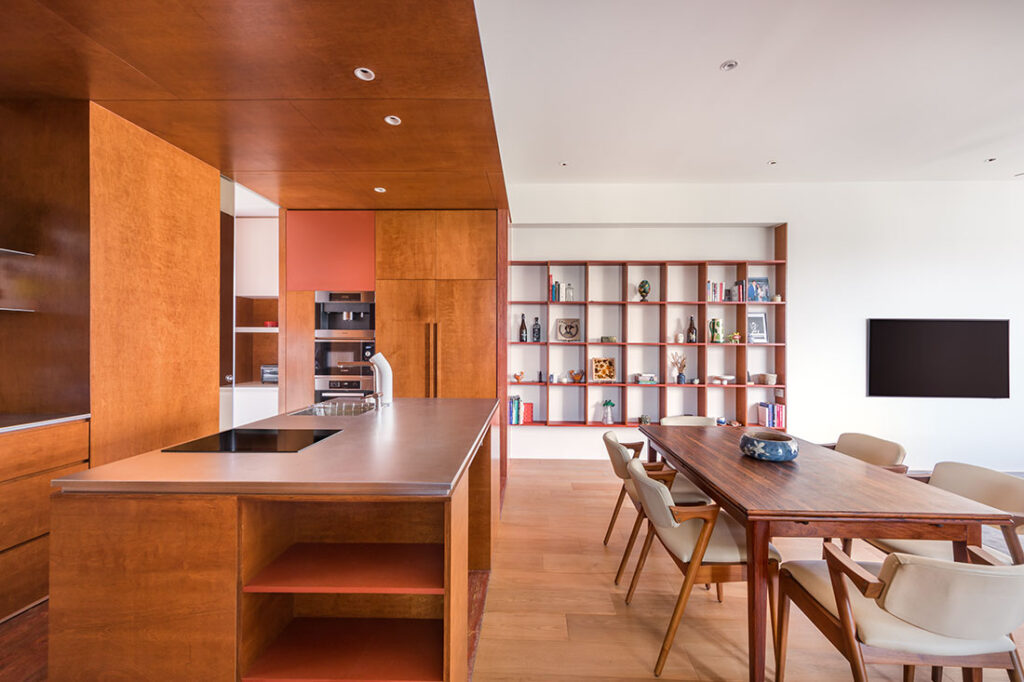
Designing for ageing parents isn’t a separate project you bolt onto your renovation — it’s the same spatial thinking and attention to materials, applied with a longer view. If you’re working with an interior designer, make this part of the brief from day one. If you’re not planning a reno, start with the small swaps and work from there.
The best version of this isn’t a home that looks “safe.” It’s one that works beautifully for everyone in it, now and a decade from now.
Starting your home reno soon? Let us match you to an interior designer
Good to know: EASE (Private) vouchers
From 2026, eligible Singapore citizen households in private properties can receive S$1,200 in vouchers under the Enhancement for Active Seniors (Private Housing) Programme, or EASE (Private), subsidising 75% of the cost of selected senior-friendly fittings. The seven covered items are: grab bars, slip-resistant floor treatment, single-step ramps, handrails, home fire alarm devices, bidet sprays, and shower seats.
Applications are being rolled out in phases. The scheme is part of the national Age Well SG programme and was previously available only to HDB households. For full eligibility details and to apply, visit ease-private.gov.sg.
We think you may also like 10 common HDB renovation mistakes in Singapore (and how to avoid them)
Senior-friendly homes that don’t look like it