Is wellbeing at home about physical comfort, how a space supports our routines or something more personal? At a recent Lookbox Living × King Living Design Conversation, three design professionals shared their perspectives.
What makes a home a good place to live? Is it the comfort of our furniture, the natural light coming through our windows, or the way a space makes us feel at the end of a long day?
These were some of the questions explored in a recent Lookbox Living Design Conversation titled “Is Wellbeing Reshaping the Design Brief?”

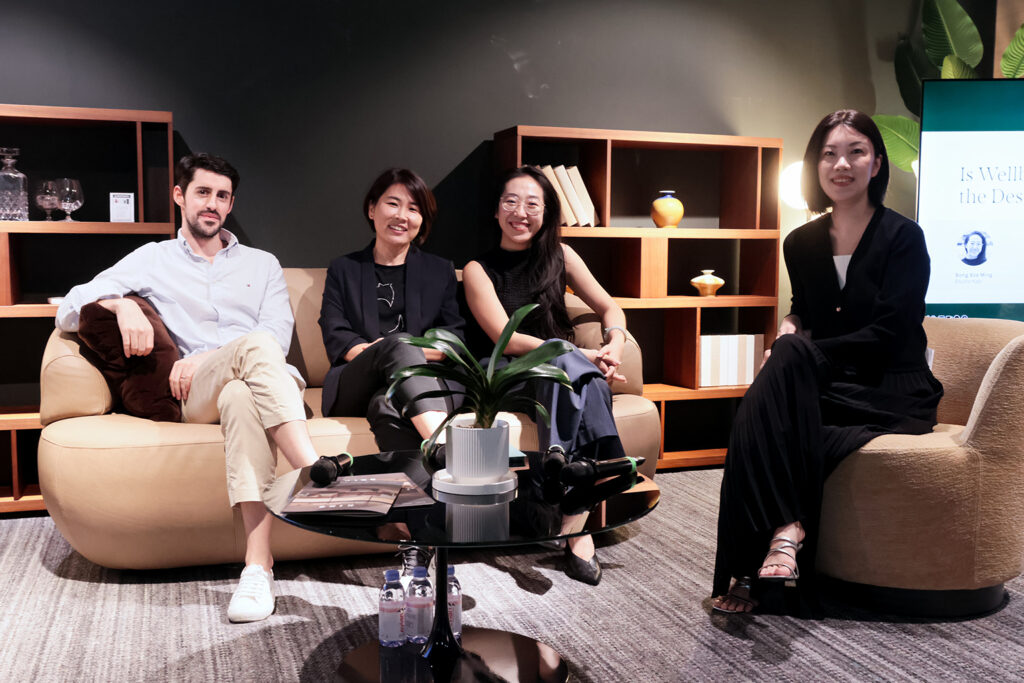
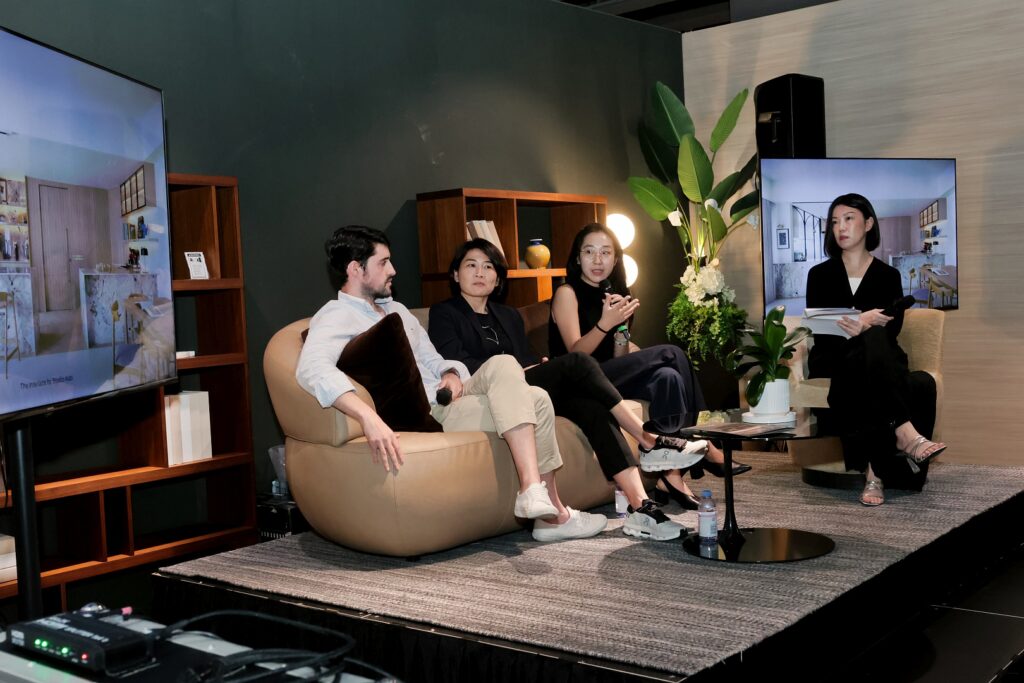
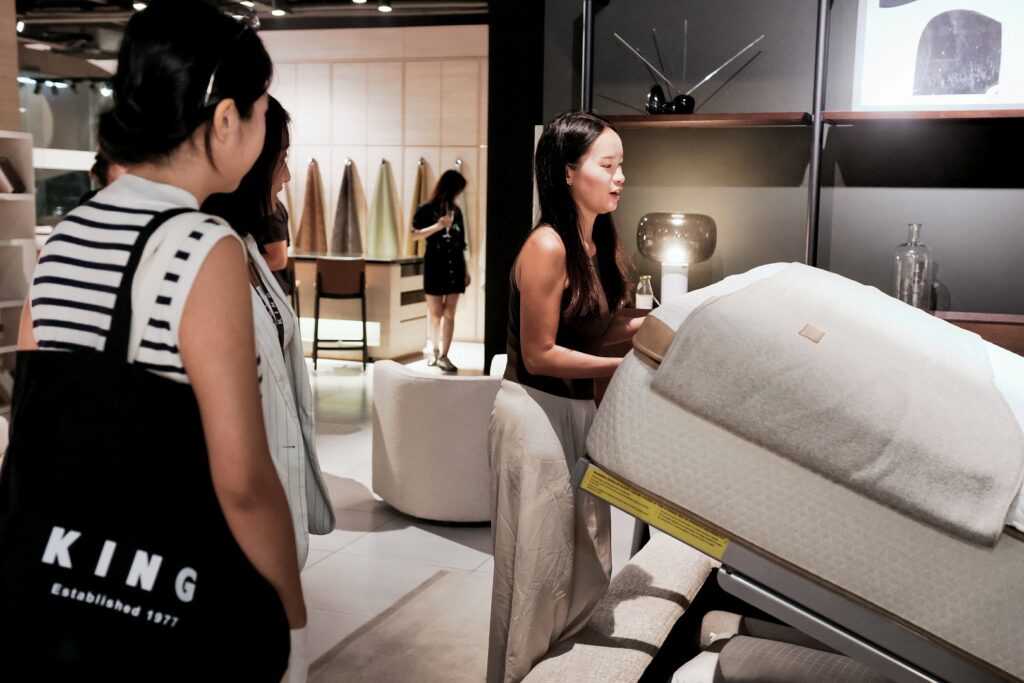
Held at the King Living Kallang Showroom on 14 October and moderated by Lookbox Living editor Janice Seow, the panel brought together Song Sze Ming, Co-Founder of Studio Kabi; Lee Hui Lian, Founder of OMG Atelier; and Victor Lorenzo Garcia, Design Director of EightyTwo, to explore whether our expectations of home are changing and what wellbeing really means in residential design.
Are our needs really changing?
For Sze Ming, one of the biggest shifts came after COVID-19, when homes took on more roles, accommodating work, hobbies and recreation alongside rest. Homeowners also began describing how they wanted their homes to feel, rather than focusing solely on specific rooms or functional requirements.
Hui Lian believes many of the fundamentals have always been important. Natural daylight, ventilation and comfortable living spaces remain essential, although homeowners are now more conscious of these qualities and better able to express what they want.

Victor offered another perspective from his experience designing luxury residences. “Perhaps everyone thinks that at the high end, they are looking for the look. I would say, at the truly high end, they are looking for the experience,” he shared.
Different paths to wellbeing
Even in luxury homes where dedicated wellness facilities are possible, Victor considers sleep one of the most important factors in wellbeing. He highlighted how lighting, noise control, materials and textures can help create a restful bedroom, while emphasising the psychological aspects of good sleep.
He described how a family photograph, placed where it catches a homeowner’s attention, can become a reminder to leave work stresses behind. “This is your reminder to switch off,” he explained.

Sometimes, what homeowners want for their wellbeing is more clearly defined.At The Interlace, Sze Mingredesigned a couple’s home after their children had grown up and moved out, allowing them to focus on their own interests.
Their love of entertaining led to a kitchen with two islands, one for food and drinks and the other doubling as a DJ station. Meanwhile, the private areas included a spa-like bathroom with an infrared sauna inspired by their travels to Japan.

A home that’s personal
The discussion also touched on how memories, beliefs and family relationships can influence wellbeing.
Sze Ming recalled a young couple who incorporated Bible verses into their kitchen backsplash, using coloured tiles arranged in a coded pattern. It was a subtle detail that held special significance for the homeowners.
“Wellbeing is very much a personal interpretation of what the home means to you and how it feels for you as well,” she explained.
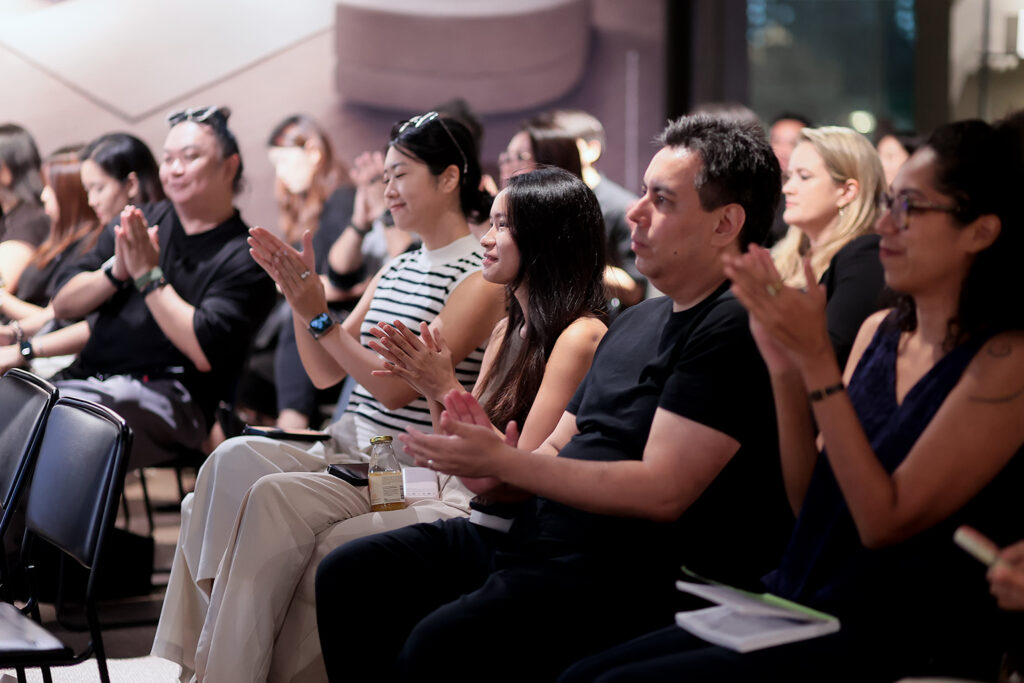
For Hui Lian, designing a home also means understanding family dynamics. In multigenerational households, this can involve balancing different personalities, routines and expectations while creating opportunities for privacy and connection.
She also challenged the assumption that wellbeing is necessarily associated with calm, minimalist interiors. “For residential houses, it should reflect the personality of each resident,” she said.

Getting the fundamentals right
When planning a renovation, it’s easy to focus on how a home will look. But as the speakers pointed out, good design also involves deciding what matters most when priorities compete.
For Hui Lian, liveability, natural daylight and ventilation come first. In one narrow terrace house, carefully positioned voids allowed daylight and breezes to reach deeper into the interior, demonstrating how giving up some floor area can improve the overall living environment.

Victor pointed out that even generous space and budgets don’t eliminate trade-offs. Beauty can come with compromises in maintenance and longevity, while larger homes can present challenges when family members have different ideas about how spaces should be used.
An audience question also turned attention to the spaces between rooms. Hui Lian explained how entrances and transitional areas can offer moments of pause, helping us mentally prepare as we move from one part of the home to another.

Perhaps one of the most interesting takeaways from the evening was that wellbeing doesn’t necessarily call for more space, expensive materials or dedicated wellness facilities.
It might be the way daylight reaches a favourite corner, a bedroom that helps us switch off, or a layout that gives family members room to be together and apart. They may not be the first things we notice about a home, but they’re often the things we come to appreciate most as we live in it.
We think you may also like Senior-friendly homes that don’t look like it


















What Makes a Home Feel Good?